
Family Dining · Practical guide
Mitsukoshi Japan Shopping Guide: Nihombashi & Ginza, Kimono Heritage & Tax-Free Tips
Prices, ordering steps, payment details, and common mistakes — in one place.
Quick Facts
| Category | Detail |
|---|---|
| Japanese name | 三越 (Mitsukoshi) |
| Brand Name | Mitsukoshi (株式会社三越伊勢丹 / Isetan Mitsukoshi Holdings Ltd.) |
| Store Type | Historic grand department store, national heritage landmark, luxury jeweler & gourmet depachika emporium |
| Target Audience | Travelers seeking centuries-old Japanese tradition, bespoke crafts, luxury timepieces, pearls, kimono textiles, and royal confectionery |
| Ordering Style | Dignified white-glove department store service with traditional doormen, personal bridal/craft concierges, and centralized Tax-Free service lounges |
| Membership Required? | No membership or Japanese resident ID required for standard shopping; physical foreign passport required to register and activate the app's 5% SHOPPING COUPON and for Tax-Free processing |
| Approximate Price Range | Depachika wagashi gift boxes and historic bento ~¥1,200–¥4,500; premium Japanese cosmetics and green teas ~¥4,000–¥25,000; handcrafted lacquerware, ceramics, and silk scarves ~¥18,000–¥85,000; Imperial-grade kimonos, pearls, and high jewelry ~¥120,000–¥3,000,000+ (subject to revision); Tax-Free available on purchases of ¥5,000+ (excluding tax) |
| Multilingual Support | Dedicated Tax-Free and Tourist Information Lounges staffed with fluent English, Mandarin Chinese, and Korean concierges at Nihombashi Main Store and Ginza Mitsukoshi; multi-language floor directories and certified translation tablets |
| Payment Methods | Cash (JPY), International Credit Cards (Visa, Mastercard, JCB, American Express, Diners Club, UnionPay), Transit IC (Suica, Pasmo, ICOCA), iD, QUICPay, QR Mobile Pay (PayPay, Rakuten Pay, d-Barai, au PAY, Alipay, WeChat Pay) |
| Store Network | Over 12 premier department stores across Japan, headlined by the national architectural monument Nihombashi Mitsukoshi Main Store and Tokyo's premier luxury crossroads at Ginza Mitsukoshi, with branches in Nagoya, Fukuoka, Sapporo, and Hiroshima |
What it is
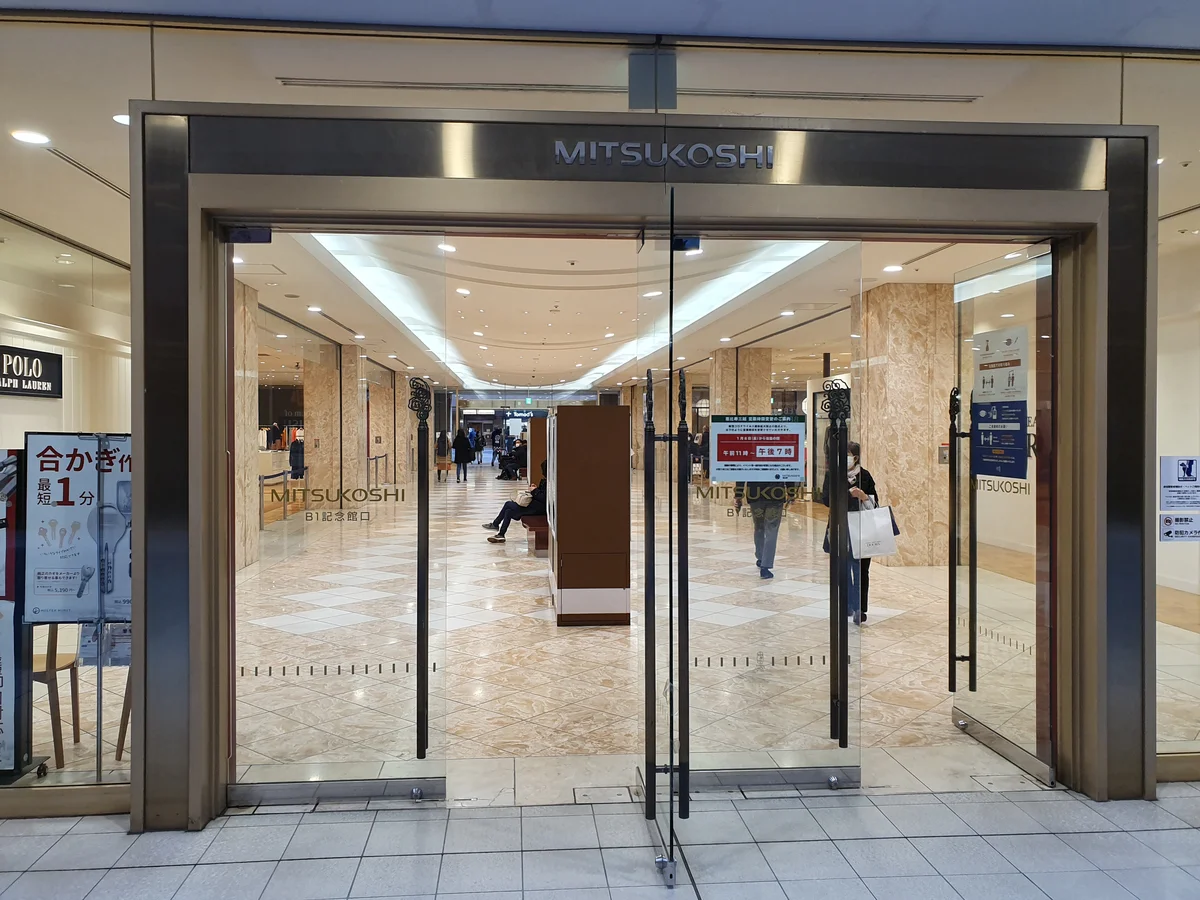
Mitsukoshi (三越) is the venerable ancestor and undisputed matriarch of Japanese retail commerce. Founded in 1673 during the Edo Period by Takatoshi Mitsui as the dry-goods merchant "Echigoya" (越後屋), Mitsukoshi revolutionized commercial trade by introducing cash-and-carry fixed pricing and tailoring textiles on demand. In 1904, Mitsukoshi issued Japan's first formal "Department Store Declaration" (デパートメントストア宣言), modeling itself after London's Harrods. Today, operating under Isetan Mitsukoshi Holdings, it stands as Japan's ultimate symbol of aristocratic taste, cultural heritage, and dignified luxury.
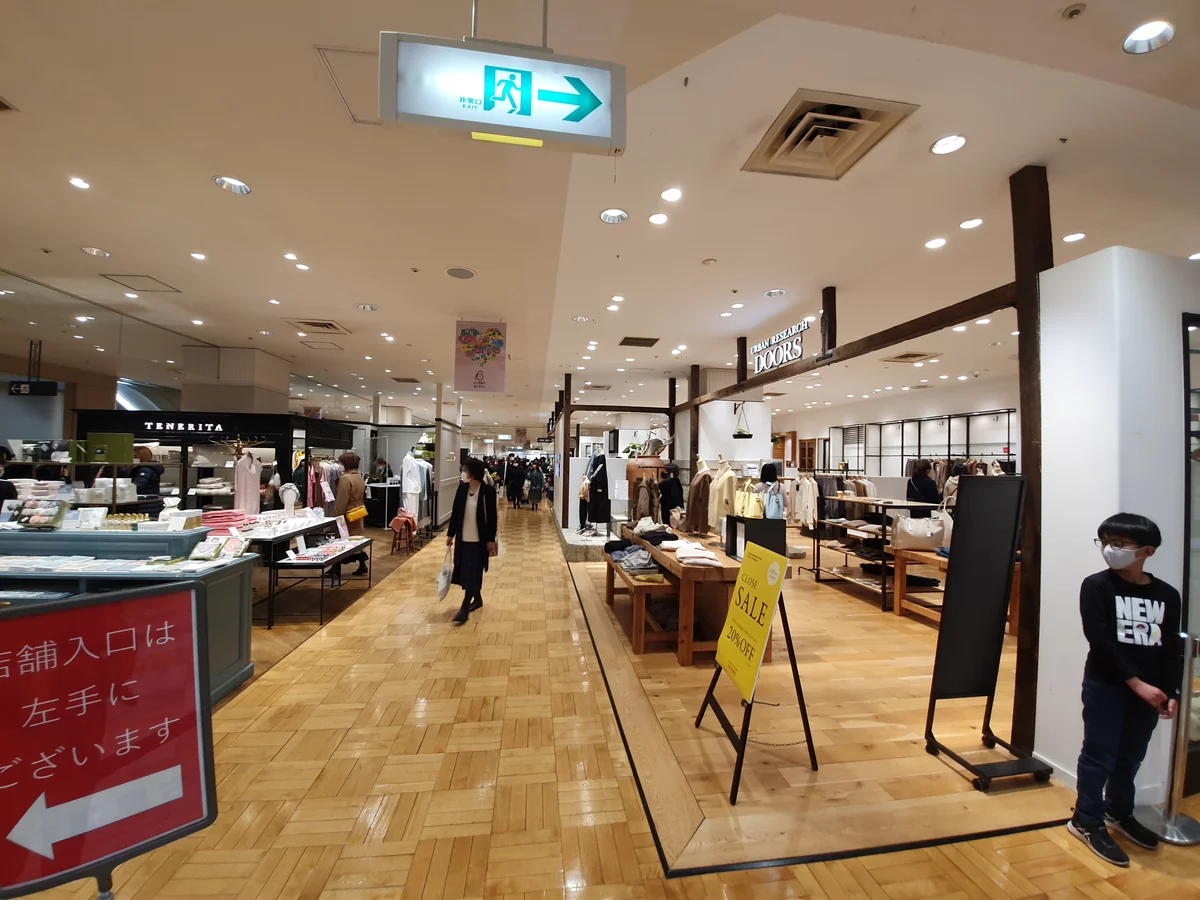
Entering Mitsukoshi—whether passing the iconic guardian Bronze Lions of the Renaissance-style Nihombashi Main Store (designated an Important Cultural Property of Japan) or visiting the dazzling modern crossroads of Ginza Mitsukoshi—is an unforgettable aesthetic journey. Nihombashi's central grand atrium features a soaring five-story marble hall, a historic 1927 pipe organ that plays live recitals, and the majestic 11-meter wooden statue of Magokoro (The Goddess of Sincerity) hand-carved over a decade. Alongside royal jewelers, master porcelain artists, and traditional kimono salons, Mitsukoshi houses one of Tokyo's most celebrated Depachika food halls. For travelers seeking the timeless soul of authentic Japanese grandeur, Mitsukoshi has no equal.
How to order
Step 1: Setting Up the 5% App SHOPPING COUPON
- Before browsing the sales floors, head to the Tax-Free Lounge / Tourist Information Desk:
- Nihombashi Main Store: Main Building 7F Customer Service Counter.
- Ginza Mitsukoshi: New Building 7F Tax-Free Counter & Foreign Customer Service.
- For a 5% discount on eligible items, download the MITSUKOSHI ISETAN JAPAN app, register, set up its SHOPPING COUPON with your passport details, and have the coupon activated at the store's tax-free or designated service counter before shopping. Present the activated coupon and passport before payment. Items priced below ¥3,000 each before tax, food, sale goods and certain brands are excluded; eligibility is confirmed at checkout. Existing valid Guest Cards issued before March 25, 2025, follow their own terms.
- The coupon provides a 5% discount on eligible retail merchandise (items priced below ¥3,000 each before tax, food hall items, sale goods, and certain luxury watches and fine jewelry brands are excluded).
Step 2: Experiencing Nihombashi Heritage vs. Ginza Glamour
- Nihombashi Mitsukoshi Main Store (日本橋本店):
- Admire the bronze lions at the entrance (rubbing their paws is said to bring good luck).
- 1F Central Atrium: Marvel at the Goddess of Sincerity statue and attend the pipe organ concert.
- B1F–B2F: The historic food hall, featuring royal purveyors of green tea, nori seaweed, and centuries-old Edo wagashi confectioners.
- 4F–5F: Traditional Japanese crafts, Kyoto lacquerware, Kutani porcelain, and the prestigious Imperial Kimono Salon.
- Ginza Mitsukoshi (銀座三越):
- Positioned directly at Ginza 4-chome crossing. Features eight floors of ultra-luxury European and Japanese fashion, high jewelry, and the legendary B1 cosmetics hall.
Step 3: Purchasing at Individual Brand Counters
- At Mitsukoshi, brand associates provide formal, attentive personal consultation.
- Present your activated 5% SHOPPING COUPON (in the app) and passport before payment is processed at the sales counter.
- Pay the tax-inclusive retail total, collect your itemized receipt, and take your purchases to the centralized Tax-Free Lounge.
Step 4: Finalizing Tax-Free Refund Registration (2026 Refund System)
- Take all your merchandise, receipts, credit card, and original physical passport to the centralized Tax-Free Service Lounge (免税カウンター).
- Under Japan's refund-based tax-free system (rules in force since November 1, 2026):
- Department store tax-free staff inspect your passport chip and electronically register your itemized receipts and product serial codes directly with Japan Customs.
- No sealed bags, no category split: The old general-goods/consumables division and the tamper-evident sealed bags are gone — nothing is sealed, and there is no purchase cap by category. Customs verifies tax-free goods by purchase record. You may wear or use non-consumables such as clothing and bags in Japan if you export them, but do not consume food, cosmetics or other consumables in Japan if you want the refund. All tax-free goods registered under the same purchase record must leave Japan; if even one registered tax-free item is missing, the refund for that record is unavailable.
- Pack your purchases safely for travel (liquid cosmetics, perfumes, and sake over 100ml must go in checked suitcases).
- When you leave Japan — within 90 days of purchase, and before you check your baggage — present your passport at a tax-free procedure terminal at the airport or port for Customs' export confirmation (Visit Japan Web can be used at eligible airports). Show the purchased goods themselves only if your record is flagged for inspection. Customs verifies each tax-free purchase record. Take every tax-free item listed in that record out of Japan.
- Once Customs has confirmed export, the store or its designated refund operator processes the refund by the method registered at purchase. Customs does not pay the refund. Some participating stores may offer collection through a partner airport cash-refund terminal; ask the store which method and location are available.
What to order first
1. Traditional Japanese Kimono Silk & Yukata Accessories
- Japanese Name: 特選呉服・正絹着物 / 江戸和雑貨 (日本橋三越呉服サロン)
- Price: ~¥12,000–¥250,000+ (tax-included; subject to revision)
- Why It Is Essential: Mitsukoshi began as Echigoya kimono merchant in 1673. Its Nihombashi kimono salon is the most prestigious in Japan. You can purchase bespoke hand-dyed Kaga-Yuzen silk kimonos, lightweight summer cotton yukatas, Nishijin-ori obi sashes, and silk chirimen coin purses crafted with museum-grade textile mastery.
2. Mikimoto & Tasaki High-Luster Japanese Akoya Pearl Jewelry
- Japanese Name: ミキモト (MIKIMOTO) / 田崎真珠 (TASAKI) 高級アコヤ真珠
- Price: ~¥55,000–¥450,000+ (tax-included; subject to revision)
- Why It Is Essential: Japan's Akoya pearls are celebrated for their mirror-like orient luster and ethereal pink overtones. Mitsukoshi's high-jewelry salons are primary authorized dealers for Mikimoto (inventors of cultured pearls) and Tasaki. Knowledgeable pearl gemologists will guide you through necklace strand grading, earring pairings, and 18K gold settings with official authenticity certificates.
3. Centuries-Old Imperial Purveyor Confectionery (Toraya & Eitaro Sohonpo)
- Japanese Name: 榮太樓總本鋪 銘菓 / 日本橋錦豊琳 かりんとう
- Price: ~¥1,080–¥4,860 (tax-included; subject to revision)
- Why It Is Essential: Located in Nihombashi, Mitsukoshi is surrounded by historic Edo culinary dynasties. Eitaro Sohonpo (inventors of Tokyo amber candies and kintsuba since 1818) and Nihombashi Nishiki-Horin (gourmet vegetable karinto snacks) maintain flagship stalls in the B1 Depachika, packaging treats in beautiful commemorative wooden boxes and traditional washi paper wrappers.
4. Master Artisan Japanese Lacquerware (Wajima-nuri & Yamanaka-nuri)
- Japanese Name: 輪島塗・山中塗 伝統工芸漆器 (箸・椀・銘々皿)
- Price: ~¥4,400–¥48,000 (tax-included; subject to revision)
- Why It Is Essential: Traditional Japanese lacquerware (Urushi) represents centuries of artisanal heritage. Nihombashi Mitsukoshi's craft floor features hand-turned wooden soup bowls and chopsticks coated with dozens of layers of natural Urushi sap and embellished with gold maki-e powder. They are ultra-lightweight, naturally antibacterial, and age into glowing family heirlooms.
5. Ippodo Tea & Yamamoto Noriten Royal Seaweed Gifts
- Japanese Name: 一保堂茶舗 宇治抹茶 / 山本海苔店 高級焼き海苔
- Price: ~¥1,620–¥8,640 (tax-included; subject to revision)
- Why It Is Essential: Yamamoto Noriten was founded in Nihombashi in 1849 and was designated the official seaweed purveyor to the Japanese Imperial Household. Their crispy, umami-rich roasted seaweed sheets and Ippodo's stone-milled Kyoto Uji ceremonial matcha tins represent the absolute pinnacle of Japanese culinary gifting.
Payment & practical info
Prices and details checked: November 2026.
- Accepted Payment Modes: Cash (JPY), major global credit cards (Visa, Mastercard, JCB, American Express, Diners Club, UnionPay), transit IC cards (Suica, Pasmo, ICOCA), e-money (iD, QUICPay), and mobile QR codes (PayPay, Rakuten Pay, d-Barai, au PAY, Alipay, WeChat Pay).
- Tax-Free Refund Rules (Enacted November 1, 2026):
- Minimum eligible spend is ¥5,000 (excluding tax) across a single calendar day at Mitsukoshi.
- Pay full tax-inclusive price at sales counters; register passport and receipts at the 7F Tax-Free Lounge, where staff tell you how the refund will be made. When you leave Japan (within 90 days, before baggage check-in), present your passport at a tax-free procedure terminal for Customs' export confirmation; after that confirmation, the store refunds the tax by the registered method.
- Nothing is sealed, and there is no general-goods/consumables split. Refund eligibility is checked for each tax-free purchase record: export all listed tax-free goods. Non-consumable items may be used before departure; consumables must not be consumed in Japan.
- Operating Hours: Standard retail floors operate from 10:00 to 19:00 or 19:30 (Ginza Mitsukoshi operates until 20:00). Restaurant floors operate until 22:00.
- Cultural Experience: At Nihombashi Mitsukoshi, attend the free live organ concerts played on the historic Wurlitzer pipe organ every Friday, Saturday, and Sunday at 12:00, 15:00, and 17:00.
- Liquid Packing Caution: Liquid cosmetics, perfumes, and sake bottles over 100ml must be packed in checked luggage. Ensure airport customs verifies your purchases before you surrender your suitcase at the airline check-in desk.
Good to know / Common mistakes
1. Rubbing the Bronze Lions for Good Luck
When entering Nihombashi Mitsukoshi, take a moment to admire the two bronze lions guarding the entrance. Modeled after the lions at the base of Nelson's Column in London's Trafalgar Square and cast in 1914, legend in Tokyo says that rubbing their front paws unseen will grant your deepest wish or help you pass important exams.
2. Department Store Tax-Free Processing Fee
A processing fee may be deducted from the consumption-tax refund. The amount, method and timing of the refund depend on the store and its refund provider. Before completing the tax-free registration, ask staff what fee will be charged, how it is calculated, and where the refund will be sent after Customs confirmation.
3. Remembering the 5% App Coupon Before Paying
Never pay for high-value items before setting up your 5% SHOPPING COUPON — download the app, register your passport details, and have the coupon activated at the 7th-floor Tax-Free counter. Sales associates cannot retroactively apply the discount to a finalized transaction.
FAQ
Q1: Is Nihombashi Mitsukoshi an active cultural property?
A: Yes! The main building of Nihombashi Mitsukoshi was designated an Important Cultural Property of Japan in 2016. Its grand Renaissance stone exterior, stained-glass central ceiling, and Magokoro statue make it a living architectural museum where you can shop.
Q2: Can I combine purchases from Nihombashi Mitsukoshi and Ginza Mitsukoshi?
A: No. Even though they are sister stores under the same company, tax-free regulations require that qualifying receipts be issued by the exact same commercial store location within a single calendar day.
Q3: How do I receive my consumption-tax refund under the 2026 system?
A: Pay for your goods at Mitsukoshi sales counters, then bring your receipts and passport to the 7F Tax-Free Lounge where your purchases are registered electronically with Japan Customs. Keep your receipts. When you leave Japan — within 90 days of purchase and before checking your luggage — present your passport at a tax-free procedure terminal for Customs' export confirmation (show the goods only if your record is flagged). After that confirmation, the store refunds the tax by the method registered at the counter. The seller or its refund operator processes the refund after Customs verifies export. Every tax-free item in each purchase record must be exported; consumables must remain unconsumed. Ask your store which refund method and pickup location apply. Eligible items are taxed at the standard 10% rate or, for qualifying food and drinks, the reduced 8% rate; the amount actually refunded varies with any fee deducted and the store's conditions.
Sources
- Mitsukoshi Official Corporate Portal (Verified: 2026-11-08)
- Nihombashi Mitsukoshi Main Store Directory & History (Verified: 2026-11-08)
- Ginza Mitsukoshi Store Directory & Foreign Customer Guide (Verified: 2026-11-08)
- Japan Customs Departure Tax-Free Procedures (Verified: 2026-11-08)