
Family Dining · Practical guide
TSUTAYA & Tsutaya Books
Daikanyama T-SITE, Ginza SIX & Tax-Free Tips
Prices, ordering steps, payment details, and common mistakes — in one place.
Quick Facts
| Category | Detail |
|---|---|
| Japanese name | TSUTAYA (TSUTAYA) |
| Brand Name | TSUTAYA / 蔦屋書店 (カルチュア・コンビニエンス・クラブ株式会社 / Culture Convenience Club Co., Ltd. / CCC) |
| Store Type | World-acclaimed architectural concept bookstore, lifestyle design emporium, art gallery & Book & Cafe space |
| Target Audience | Architecture and interior design lovers, art collectors, photography enthusiasts, travelers seeking chic coffee lounges, and pop-culture fans |
| Ordering Style | Tranquil, aesthetic self-service browsing paired with specialized lifestyle concierges, Starbucks Book & Cafe integration, and dedicated Tax-Free service desks |
| Membership Required? | No membership or Japanese resident ID required for general shopping; physical foreign passport required for Tax-Free purchase registration |
| Approximate Price Range | Lifestyle magazines, specialty paperbacks, and gourmet teas ~¥800–¥2,500; design monographs, architecture books, and boutique ceramics ~¥3,500–¥18,000; rare art folios, vintage magazines, and artisanal audio gear ~¥20,000–¥250,000+ (subject to revision); Tax-Free available on eligible purchases of ¥5,000+ (excluding tax) at participating locations |
| Multilingual Support | Multilingual concierges and staff (fluent English and Mandarin Chinese) stationed at primary flagships (Daikanyama T-SITE, Ginza Tsutaya Books, SHIBUYA TSUTAYA, Kyoto Okazaki, Umeda); foreign-language floor directories |
| Payment Methods | Cash (JPY), International Credit Cards (Visa, Mastercard, JCB, American Express, Diners Club, UnionPay), Transit IC (Suica, Pasmo, ICOCA), e-Money (iD, QUICPay), V-Money, QR Mobile Pay (PayPay, Alipay, WeChat Pay, etc.) |
| Store Network | Over 300 domestic bookstore and cultural lifestyle locations across Japan, headlined by internationally celebrated flagship cultural campuses in Tokyo (Daikanyama, Ginza, Shibuya, Roppongi), Osaka, Kyoto, and Hakodate |
What it is
TSUTAYA—and its internationally acclaimed high-end design evolution, Tsutaya Books (蔦屋書店)—is a revolutionary force in global retail architecture and cultural lifestyle curation. Founded in 1983 in Hirakata, Osaka by visionary entrepreneur Muneaki Masuda under Culture Convenience Club (CCC), TSUTAYA pioneered the concept that bookstores should not merely sell ink on paper, but should propose comprehensive, inspiring lifestyle choices to modern humans.
The brand gained global fame with the opening of Daikanyama T-SITE (代官山 蔦屋書店) in 2011, designed by renowned architecture firm Klein Dytham Architecture. Nestled inside a serene garden campus with an interlocking "T"-motif lattice facade, Daikanyama T-SITE was celebrated by design magazines worldwide as one of the most beautiful bookstores on earth. Inside, customers wander through seamless Book & Cafe spaces with Starbucks, where you can sip coffee while reading unpurchased books, consult with specialized lifestyle concierges (in travel, cuisine, architecture, and jazz), browse museum-quality art books, and discover handcrafted Japanese stationery. From the modern art and katana gallery at Ginza Tsutaya Books (GINZA SIX 6F) to the vibrant pop-culture floors of SHIBUYA TSUTAYA overlooking the scramble crossing, Tsutaya Books represents the pinnacle of modern Japanese aesthetic living.
How to order
Step 1: Choosing Your Architectural Flagship Experience
- Daikanyama T-SITE (代官山): Three glass pavilions linked by a central "Magazine Street" set amidst tranquil greenery. Focuses on architecture, photography, vintage cars, travel, and jazz.
- Ginza Tsutaya Books (GINZA SIX 6F): A soaring 6-meter-high skylit atrium specializing in contemporary visual art, Japanese traditional culture, architecture, and exhibition galleries.
- SHIBUYA TSUTAYA (Shibuya Crossing): Overlooking the world-famous scramble crossing, completely remodeled into an immersive pop-culture, gaming, anime, and Share Lounge hub.
Step 2: Enjoying the "Book & Cafe" Culture
- Tsutaya Books pioneered the Book & Cafe format in Japan.
- Before taking an unpurchased book to a cafe or lounge seat, ask that location which books are allowed and how many you may take. Some items and seating areas are excluded; follow the current bookstore and cafe rules.
- Treat the books with care: use clean hands, avoid food spills, and return books to return carts if you decide not to purchase.
Step 3: Consulting Lifestyle Concierges
- Each department is curated by a seasoned expert (Concierge)—such as veteran travel writers, classical musicians, or culinary historians.
- Feel free to ask concierges for bespoke recommendations on Japanese design, regional architecture, or rare photography monographs.
Step 4: Checkout & 2026 Tax-Free Refund Procedure
- Tax-free eligibility varies by store. At certified flagship locations (including Daikanyama T-SITE, Ginza Tsutaya Books, and SHIBUYA TSUTAYA), proceed to the designated Tax-Free Cashier Counter (免税カウンター).
- Inform the staff: "Tax-Free kudasai" and hand over your original physical passport (digital images or photocopies are strictly prohibited by Japanese tax law).
- Under Japan's airport refund tax-free mechanism (enacted November 1, 2026):
- Pay the full tax-inclusive total at the counter using cash, international credit cards, or supported mobile payments.
- The participating retailer verifies your eligibility and registers the tax-free purchase electronically in the National Tax Agency’s system, directly or through an approved provider. Follow the shop’s passport or supported Visit Japan Web procedure.
- Using non-consumable purchases: Books, art monographs, design objects, ceramics, and lifestyle accessories may be used or worn as appropriate while traveling in Japan if you carry the same items out of Japan for customs export verification within 90 days. The former legal categories of “General Goods” and “Consumables” were abolished on November 1, 2026, and special sealed packaging is no longer required.
- At the airport on departure day (within 90 days of purchase, and BEFORE checking your baggage with your airline), present your passport at a tax-free procedure terminal for export confirmation. Keep all purchased tax-free goods available; show them at the customs inspection area only if a red result requires it.
- The tax refund is executed by the merchant where purchased or its designated refund operator, using the method registered at the time of purchase (such as a direct credit card account reversal). At some airports, participating purchases may qualify for cash collection at a designated refund terminal; check the availability and registered refund method with the seller.
What to order first
1. Contemporary Japanese Art & Photography Monograph Folios
- Japanese Name: 現代アート写真集 (杉本博司 / 森山大道 / 荒木経惟)
- Price: ~¥4,400–¥38,500+ (tax-included; subject to revision)
- Why It Is Essential: Ginza Tsutaya Books and Daikanyama T-SITE house Asia's most prestigious collections of fine art photography, featuring limited-run collector editions from Hiroshi Sugimoto, Daido Moriyama, and Nobuyoshi Araki. Many editions feature custom linen clamshell cases and numbered artist bookplates that appreciate significantly in value.
2. Tsutaya Books Exclusive Japanese Fountain Pens & Urushi Inks
- Japanese Name: 蔦屋書店限定 万年筆 / オリジナルインク (江戸八景)
- Price: ~¥2,420–¥44,000 (tax-included; subject to revision)
- Why It Is Essential: Tsutaya Books frequently partners with Sailor, Pilot, and Platinum to create exclusive, limited-production fountain pens and bottled ink collections inspired by Tokyo urban landscapes and Edo color palettes (such as Ginza cobblestone grey or Daikanyama foliage green).
3. Japanese Craftsmanship & Traditional Tea Ceremony Design Sets
- Japanese Name: 伝統工芸品 (波佐見焼 / 茶筅・茶杓 / 桐箱入りギフト)
- Price: ~¥3,300–¥18,700 (tax-included; subject to revision)
- Why It Is Essential: Alongside books, Tsutaya Books curates contemporary Japanese lifestyle crafts. Discover minimalist Hasami porcelain coffee mugs, Takayama hand-carved bamboo tea whisks (Chasen), and incense burners crafted from cast iron and cedarwood packaged in Paulownia wood gift boxes.
4. Vintage Automotive & Motorcycle Architectural Volumes
- Japanese Name: クラシックカー・モーターサイクル・建築専門写真集
- Price: ~¥3,850–¥26,400 (tax-included; subject to revision)
- Why It Is Essential: Daikanyama T-SITE's automotive section is world-famous among motor culture enthusiasts. It stocks pristine archival manuals, out-of-print European motoring journals, and gorgeous hardcover monographs documenting vintage Toyota, Nissan Skyline GT-R, and air-cooled Porsche heritage.
5. Tsutaya SHARE LOUNGE Day Passes & Curated Food Gifts
- Japanese Name: シェア weラウンジ (SHARE LOUNGE) チケット / 厳選菓子ギフト
- Price: ~¥1,650–¥5,500 (tax-included; subject to revision)
- Why It Is Essential: Experience the cutting edge of Tokyo's creative spaces. The SHARE LOUNGE (located in Daikanyama, Shibuya, and Ginza) offers designer furniture, high-speed Wi-Fi, unlimited organic snacks, draft craft beer, and panoramic city views for an hourly fee—the ultimate productive retreat for digital nomads and travelers.
Payment & practical info
Prices and details checked: November 2026.
- Accepted Payment Modes: Cash (JPY), major global credit cards (Visa, Mastercard, JCB, American Express, Diners Club, UnionPay), transit IC cards (Suica, Pasmo, ICOCA), e-money (iD, QUICPay), V-Money, and mobile QR codes (PayPay, Alipay, WeChat Pay, etc.).
- Tax-Free Refund Rules (Enacted November 1, 2026):
- Minimum eligible spend: In general, qualifying goods purchased by the same person at the same participating tax-free store on the same day must total ¥5,000 or more before tax. Ask staff how multiple checkouts are registered. Eligible purchases from different stores can be combined only where the designated joint tax-free procedure permits this.
- Pay full tax-inclusive price at checkout; passport is electronically registered; obtain customs export verification at the airport before checking baggage; refund is processed back to the registered payment method by the merchant or refund operator.
- Books and design goods are non-consumable products and may be used during your trip in Japan; must be exported within 90 days.
- Operating Hours: Daikanyama T-SITE typically operates from 09:00 to 22:00 daily (Ginza SIX operates from 10:30 to 20:30). Hours vary by location.
- Atmosphere & Etiquette: Tsutaya Books prioritizes a peaceful, contemplative ambiance. Feel free to photograph the exterior architecture, but respect reader privacy and avoid flash photography inside the reading salons.
- Promotional Discounts: Promotional discount campaigns or digital coupons may be offered during specific promotional periods. These offers typically specify clear validity windows, exclude price-maintained Japanese books, and may require partner payment cards. Inquire at customer service for current details.
Good to know / Common mistakes
1. Daikanyama vs. Ginza SIX Experience
Choose the branch that fits your aesthetic: Daikanyama T-SITE is leafy, relaxed, and residential, ideal for a sunny morning coffee and architectural stroll. Ginza Tsutaya Books is urban, ultra-modern, and art-focused, ideal for pairing with luxury gallery browsing and dining inside GINZA SIX.
2. Reading and Using Books Before Departure
Books, design goods, and stationery are non-consumable products. You can read your art books, write in your journals, and wear purchased accessories during your stay in Japan, provided they leave Japan with you within 90 days.
3. Check for Tax-Free Availability
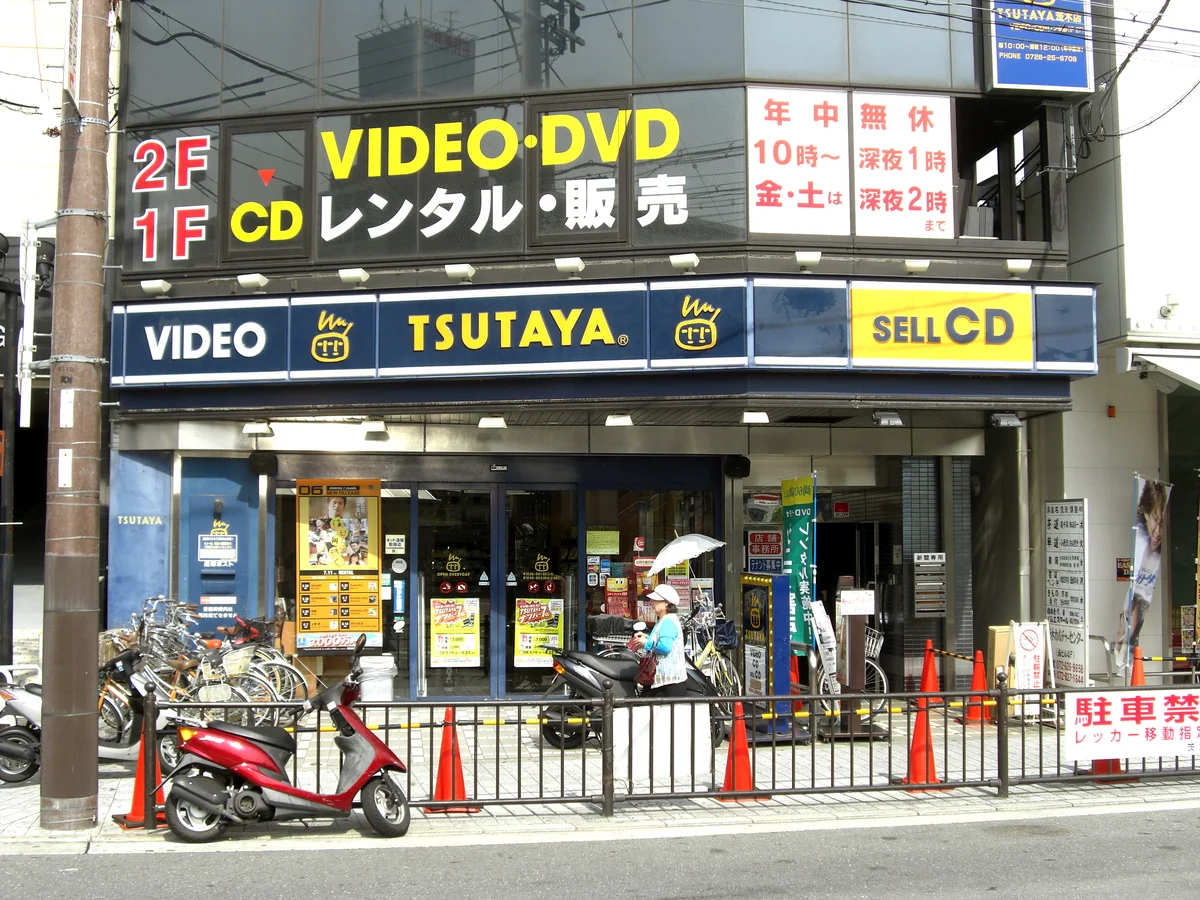
While premier flagships (Daikanyama, Ginza, Shibuya, Roppongi, Umeda) offer full Tax-Free services, small neighborhood TSUTAYA video rental/convenience branches may handle only domestic transactions. Confirm at the main information counter.
FAQ
Q1: Can I really read books inside Starbucks without buying them first?
A: Rules depend on the specific bookstore and cafe. Ask whether unpurchased books may be taken to your seat, which items are excluded and how many you may take. Do not assume a three-book allowance applies to every TSUTAYA or Tsutaya Books cafe.
Q2: What is the Tsutaya SHARE LOUNGE?
A: The SHARE LOUNGE is a high-concept co-working and relaxation space inside select Tsutaya locations. For an hourly fee, visitors gain access to Herman Miller chairs, high-speed Wi-Fi, power outlets, private phone booths, and complimentary gourmet snacks, teas, and draft beer.
Q3: How do I receive my tax refund under the 2026 customs system?
A: Pay the tax-inclusive total at the store and have your physical passport registered by staff. At the airport prior to departure (within 90 days of purchase), scan your passport at a tax-free procedure terminal before checking your baggage, with all tax-free goods still in your possession. Show the goods to Customs only if a red result requires inspection. Once verified, the tax refund is executed by the merchant or its refund operator using the payment method registered at purchase.
Sources
- Tsutaya Books & T-SITE Official Portal (Verified: 2026-11-09)
- TSUTAYA Nationwide Store Network (Verified: 2026-11-09)
- Japan Customs Departure Tax-Free Regulations (Verified: 2026-11-09)